

CIVIL SERVICE WITNESSES: ELISA'S STORY
“Learning to Sow by Listening to the Pachamama”, di Elisa Rocchetti, Servizio Civile Universale - Quito (Ecuador)
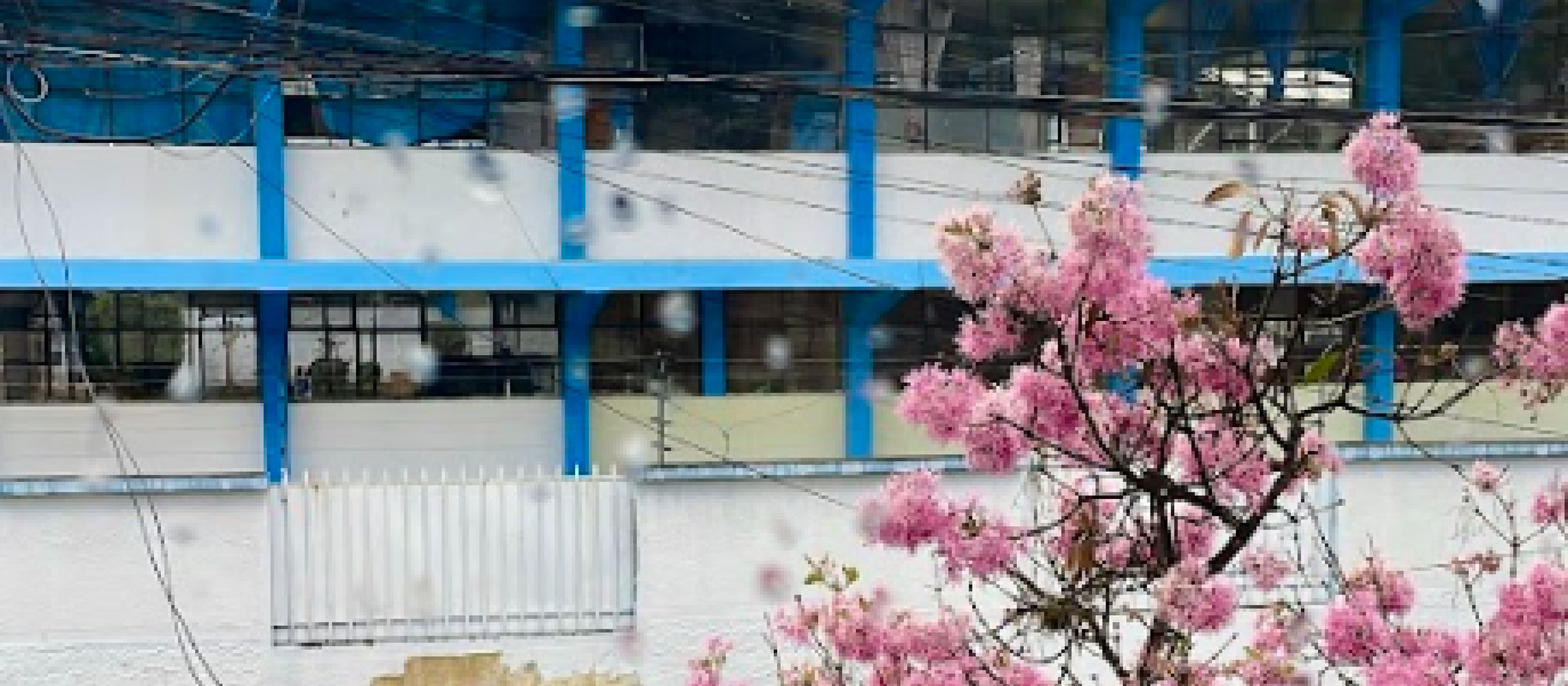
Quito. It's two o'clock on a Sunday afternoon and the sky has just changed. I was lying in a hammock reading a book and admiring the Andes around me, but now I close my eyes and listen to the storm: raindrops bounce off the tin roof, the windows rattle, and thunder rolls closer.
In Ecuador, the dry season and the rainy season mark people's lives, and this year the rains have arrived earlier than usual. Everyone notices this, not just those who work with the land. Climate change is palpable here, in a country where one in three Ecuadorians works in agriculture and the balance of the seasons is what keeps crops, pastures, and entire rural communities alive.
As in our country, rain is a source of joy because it brings with it the hope of good harvests. But it can also be a challenge when it arrives too early or too heavily. In recent months, torrential rains in several provinces have caused landslides and flooding that have isolated communities, cut off roads, and destroyed crops. Rain can also become a source of fragility, yet no one here sees it as an enemy: for Andean communities, it is not just a meteorological phenomenon, but a sacred element that renews the bond with Pachamama, the Mother Earth that nourishes and protects, and with which a relationship of sumak kawsay (good living) and ayni (reciprocity) is built. These are not just words: they are profound principles that govern the relationship between the natural elements, spirituality, and community life. Water has a symbolic and political value. This is also demonstrated by the mobilization of the communities of Quimsacocha, which for years have been defending their sacred lagoons and water sources from mining. “Quimsacocha no se toca” is not just a slogan: it is a declaration of belonging, a way of saying that the land is not owned, it is respected.
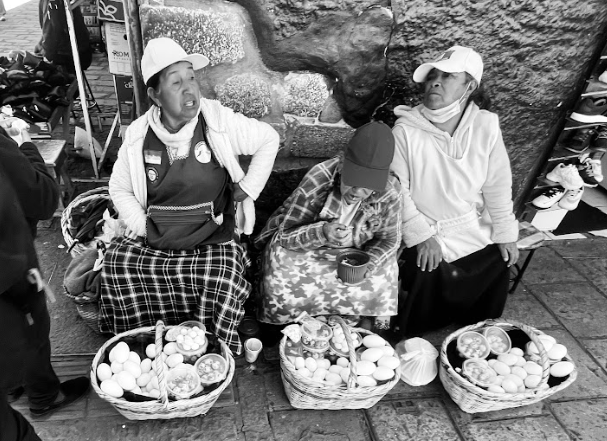
Territory, ancestral knowledge, sustainable agricultural practices, and communities: these are key words in my work. FAO works to strengthen community resilience, improve the sustainable use of natural resources, and promote more equitable agri-food systems. I support them in drafting projects that enhance traditional knowledge and agroecological practices, integrating them into public policies and local production models. I have great respect for my colleagues and Director Gherda, who coordinates the FAO office in Ecuador with care and sensitivity: every initiative starts with listening to communities and respecting their culture. Field missions are not just about collecting data, but are opportunities for dialogue to understand the needs of those who live in the territory. At the heart of this work are indigenous peoples, women, young people, and the local economy, so that people can remain in their territories and build their future there. My role requires technical skills but also a strong focus on the social and cultural dimension in order to transform concrete problems into structured proposals. Every word in the documents, every proposed activity must respect the right of indigenous peoples to maintain their identity. This awareness has transformed the way I write: projects are no longer simply documents to obtain funds, but tools to give voice to communities and defend their knowledge.
During this period in September, Andean communities celebrate Killa Raymi, the festival of the moon that marks the beginning of sowing. It is a time of gratitude and spiritual renewal. Participating in these practices, even as an observer, is teaching me how important it is to respect, listen to, preserve, and protect not only species and ecosystems, but also ancestral knowledge and rituals that keep people deeply connected to the earth.
The storm moves away into the Andes, the raindrops become lighter. Every drop that falls makes me think that even difficult passages have a meaning: they serve to prepare the earth. I will hold on to the idea that sustainable development, for our future, does not mean bringing something, but listening and recognizing when the earth is ready and it is time to sow.